KNUST GIDL Trains Public Health Laboratory Professionals in Molecular Diagnostics and RadiOne Device Operations
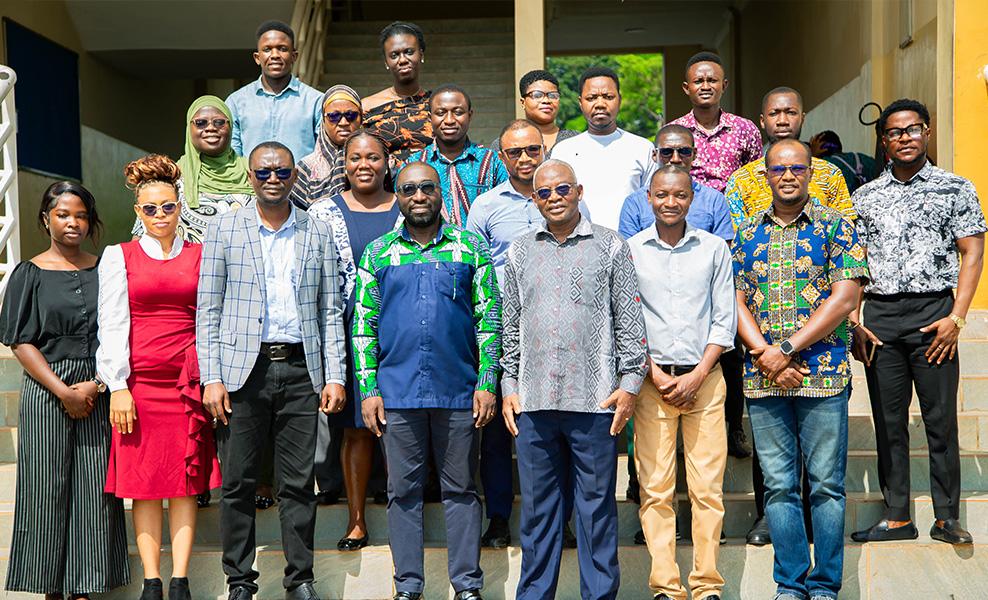
The Genomics and Infectious Disease Laboratory (GIDL) of the Kwame Nkrumah University of Science and Technology has successfully organized a two-day intensive training workshop on Molecular Diagnostics and RadiOne Device Operations for personnel within the public health laboratory sector.
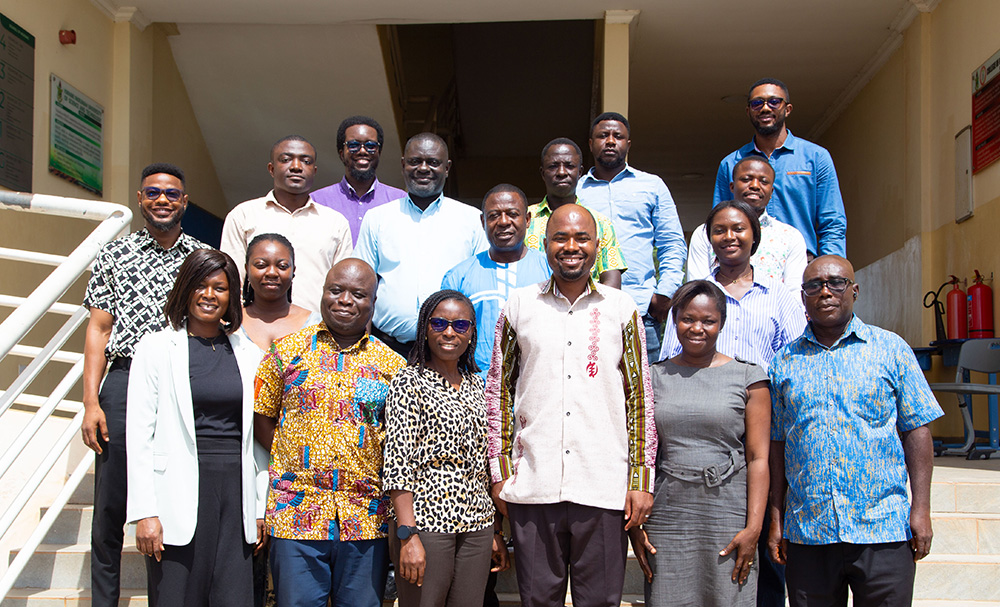
The training, held from March 12–13, 2026, at the GIDL facility in Kumasi, brought together laboratory scientists and PhD students who work on diseases of public health concern. The workshop sought to strengthen participants’ capacity in modern molecular diagnostic techniques and the practical use of the RadiOne molecular diagnostic platform for rapid detection of infectious diseases.
The event was supported through collaboration between the Centre for Health Systems Strengthening (CfHSS), the Ghana Health Service, and partners, including KOICA and the Centers for Disease Control and Prevention (CDC).

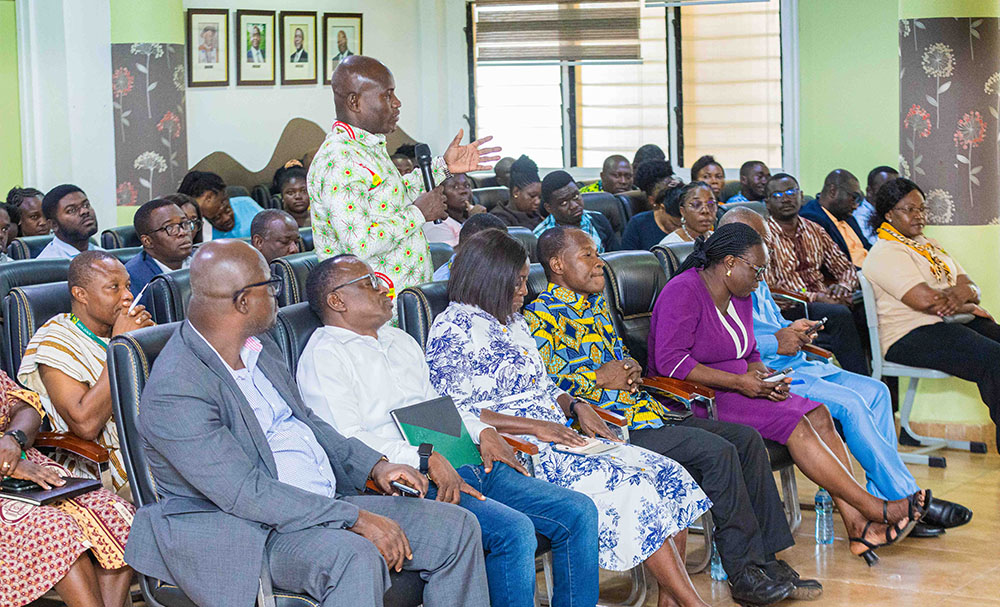
In his opening remarks, Prof. Yaw Amo Wiafe, Dean of the KNUST Faculty of Allied Health Sciences, encouraged participants to make the most of the opportunity to build their expertise in modern diagnostic technologies.
He emphasized the importance of such training in improving disease detection and surveillance in Ghana and assured participants of the Faculty’s full support during the workshop. He also commended the dedication of the facilitators, sponsors, and collaborating institutions whose efforts made the programme possible.
Speaking during the training, Dr. Michael Owusu, Senior Lecturer at KNUST and Lead Principal Investigator of GIDL, highlighted the significance of integrating rapid molecular diagnostic tools into public health laboratories.
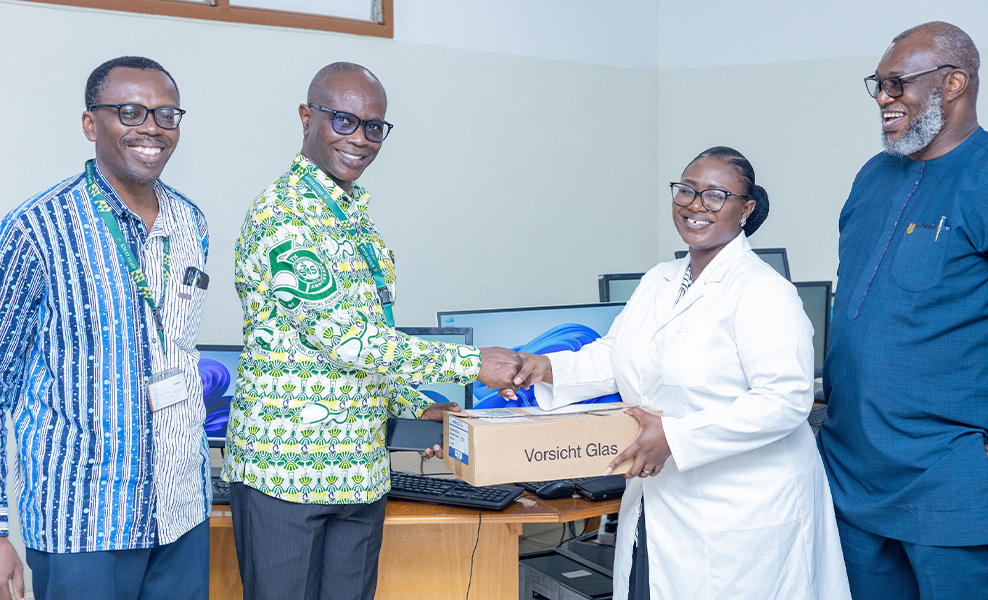
According to him, through the support of CfHSS in collaboration with the Ghana Health Service, participants will receive RadiOne devices and reagents after the training to support diagnostic work in their respective facilities.
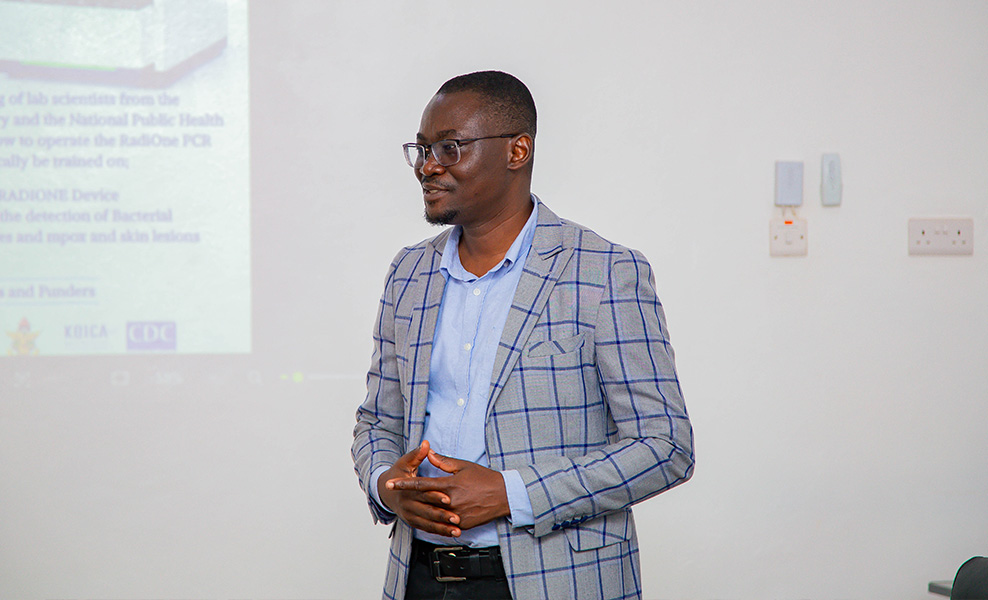
Dr. Owusu noted that advances in molecular technologies are transforming laboratory workflows.
“We are moving beyond the age of long extraction processes to the use of machines that can generate results within a very short turnaround time,” he explained, adding that such innovations will greatly enhance Ghana’s ability to detect and respond to infectious disease threats.
The two-day workshop combined theoretical sessions and hands-on laboratory practicals designed to equip participants with both conceptual knowledge and operational skills. Sessions covered key topics such as:
-
Basic principles of the RadiOne diagnostic platform
-
Principles of PCR and real-time detection, including Ct values and amplification curves
-
Sample handling, contamination prevention, and nucleic acid extraction methods
-
Device installation, setup, and software interface navigation
-
Quality assurance practices in molecular diagnostics
-
Device maintenance, calibration, and troubleshooting
Participants also engaged in wet laboratory practical sessions using diagnostic assay kits for bacterial meningitis, respiratory viruses, and mpox-related skin lesions, allowing them to run tests and interpret results under expert guidance.
The programme concluded with post-training evaluations, discussions, and closing remarks from the organizing partners.
By equipping laboratory professionals with practical knowledge in modern molecular diagnostics, the initiative aims to strengthen public health laboratory capacity and rapid disease detection across Ghana.
The training reflects KNUST’s ongoing commitment to supporting national and global health priorities through research, innovation, and capacity building within the biomedical and public health workforce.