KNUST School of Nursing and Midwifery Deepens PBL Practice with Orientation for Students, Facilitators and Faculty

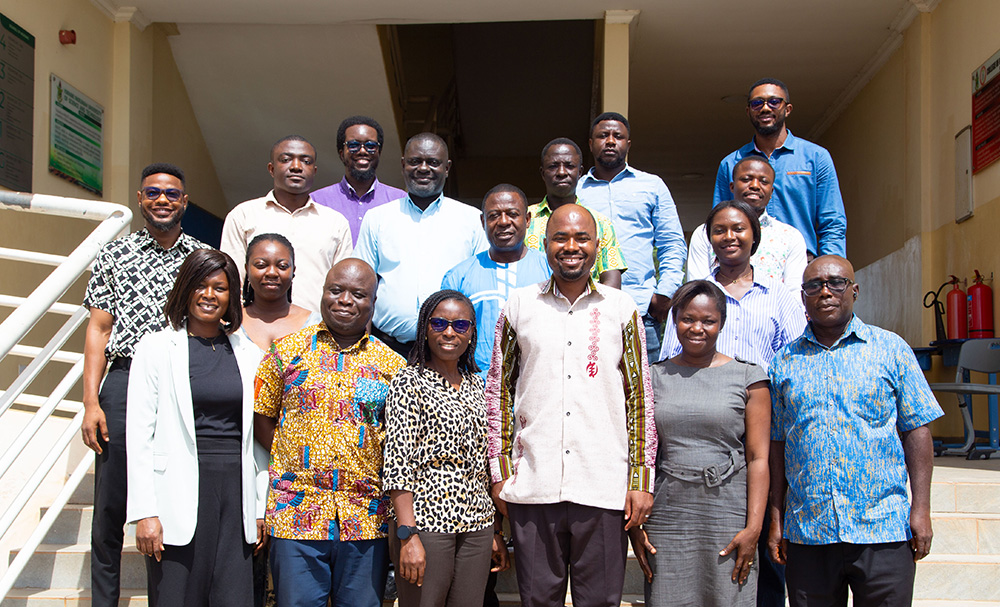
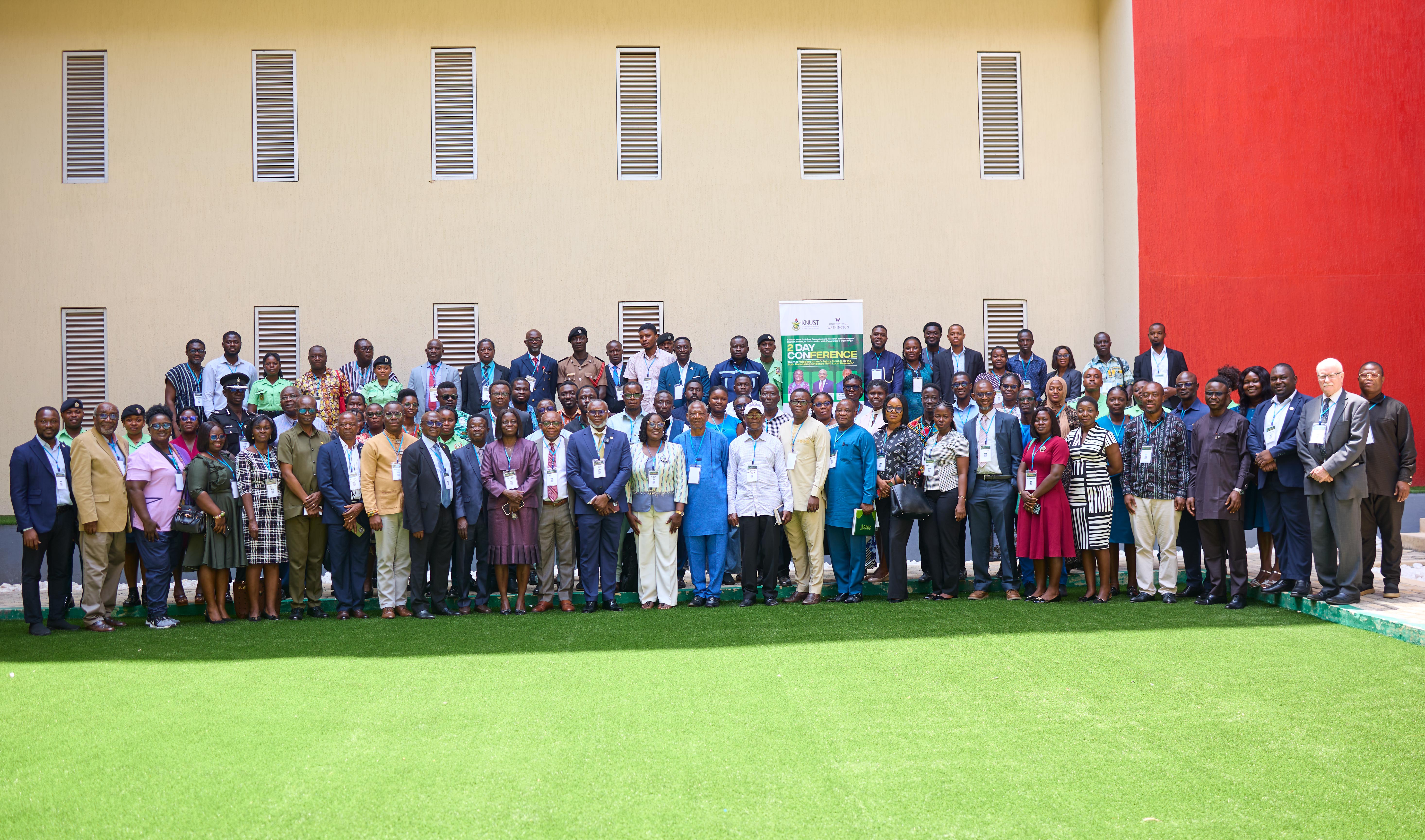
The School of Nursing and Midwifery of the Kwame Nkrumah University of Science and Technology has reinforced its commitment to innovative health professions education with a comprehensive orientation on Problem-Based Learning (PBL) for fourth-year students, facilitators, senior members, and PhD candidates. The programme, held on 24th February 2026 under the auspices of the KNUST College of Health Sciences, brought together faculty and students in a renewed push to deepen student-centred, clinically grounded learning.
Delivering the opening address, Professor Veronica Dzomeku, the Dean of the School of Nursing and Midwifery, noted in her welcome address that the organization of the program is a move to embrace PBL as an important way of training Health Science Students in these modern times.
The College PBL Coordinator, Prof. Isaac Ayensu, described Problem-Based Learning as a transformative teaching strategy that shifts the focus from passive reception of information to active engagement with real-life clinical problems. He reminded participants that PBL is not merely about discussing cases but about following a structured, evidence-based process that enables students to construct knowledge, strengthen clinical reasoning, and cultivate lifelong learning skills. He emphasized that facilitators must act as guides rather than instructors, using questioning, probing, and constructive challenge to stimulate critical thinking while ensuring that the tutorial process is rigorously followed.

Building on this foundation, the School’s PBL Coordinator, Dr. Lydia Boampong Owusu, presented a comprehensive overview of the philosophy, principles, and goals of PBL. She explained that the approach, widely used in health professions education globally, is anchored on constructive and self-directed learning. Students work in small groups, identify knowledge gaps from carefully designed clinical scenarios, and independently research agreed learning objectives before reconvening to synthesize their findings. According to her, the goals of PBL extend beyond knowledge acquisition to include the development of clinical reasoning, problem-solving competence, motivation for learning, and the ability to integrate theory into practice. She stressed that the effectiveness of the method depends on active student participation, access to quality learning resources, and skilled facilitation that preserves academic rigor.

Participants were subsequently taken through the structured PBL process by Prof. Adwoa Bemah Boamah Mensah, who detailed the seven-step approach that underpins each tutorial session. She outlined how students begin by clarifying unfamiliar terms within a scenario, identifying the core problem, brainstorming possible explanations, and systematically analyzing ideas before formulating specific and achievable self-study objectives. The process culminates in independent research and group reporting, where students evaluate their findings and refine their understanding collectively. She reiterated that tutors do not provide answers; rather, they stimulate interaction, ensure scientific reasoning, and guide discussions back on track when necessary. Clear role assignments within groups — including discussion leader, secretary, scribe, timekeeper, and members — were highlighted as essential mechanisms for promoting accountability, leadership, teamwork, and effective communication.

An engaging question-and-answer session brought the programme to a close, with participants seeking clarification on facilitator responsibilities, assessment within PBL tutorials, and strategies for strengthening student engagement and maintaining fidelity to the structured process. Discussions reflected a shared commitment to sustaining high standards in implementation and ensuring that both students and faculty fully embrace their respective roles.
The orientation marks another significant step in the School’s ongoing efforts to enhance teaching and learning through evidence-based pedagogical innovation. By strengthening capacity in Problem-Based Learning, the School of Nursing and Midwifery continues to position itself at the forefront of transformative nursing and midwifery education, preparing graduates equipped with the analytical, clinical, and reflective competencies required to meet the evolving healthcare needs of Ghana and the global community.