FAHS Prepares Third-Year Students with Orientation on the Problem-Based Learning Method

The Kwame Nkrumah University of Science and Technology (KNUST), through its Faculty of Allied Health Sciences (FAHS), has held an orientation workshop for third-year students on the Problem-Based Learning (PBL) approach recently adopted by the College of Health Sciences.
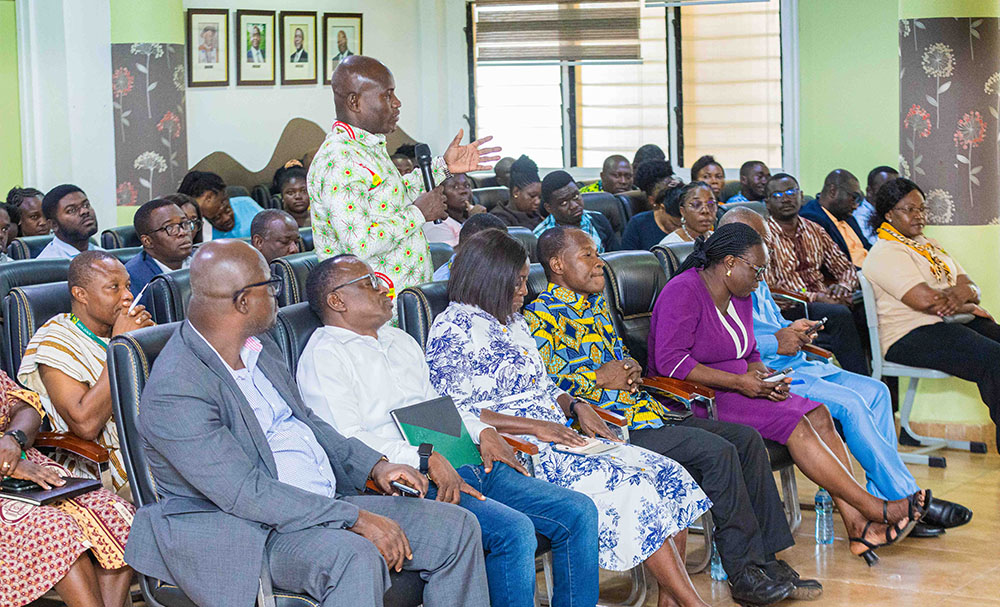
The workshop, which took place on Thursday, February 13, 2026, at the Boadi Medical Enclave, was designed to introduce students to the principles of PBL, highlight its benefits, and provide practical exposure to how the approach will be implemented within the faculty.
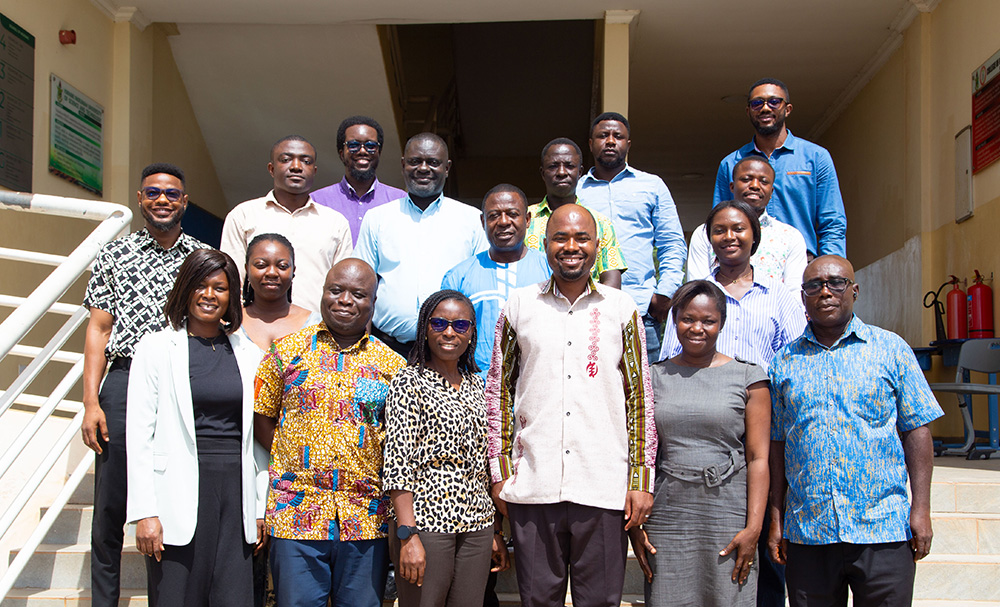
Addressing participants, the Dean of FAHS, Prof. Yaw Amo Wiafe, underscored the significance of Problem-Based Learning in nurturing critical thinking, effective communication, and strong problem-solving abilities among students. He explained that a dedicated team has been constituted within the faculty to oversee the successful implementation of the PBL approach and to support students as they transition into this new mode of learning. Professor Wiafe also outlined the core principles underpinning PBL and how they align with contemporary trends in health sciences education.

Problem-Based Learning is a student-centred pedagogical model that shifts emphasis from conventional lecture-based instruction to active engagement with real-world problems. Through this approach, students collaborate in small groups, analyse complex scenarios, and apply theoretical knowledge to practical contexts, thereby strengthening their analytical and professional competencies.
The PBL Coordinator for FAHS, Dr. Ivy Ofori Boadu, delivered a presentation on the roles and responsibilities of both facilitators and students in the PBL environment. She noted that the orientation serves as a preparatory step toward the upcoming PBL Week, scheduled to be organised by the Faculty of Allied Health Sciences from March 2 to 6, 2026.
Students were encouraged to embrace the new learning system and were assured of continuous support through a PBL Committee established by the faculty to guide the implementation process.
A key component of the workshop was a series of practical demonstrations, during which students observed how typical PBL sessions would be conducted and what would be expected of them during group discussions and problem-solving activities. This interactive segment helped demystify the process and increased students’ confidence in adopting the approach.
Overall, the orientation provided participants with essential insights and foundational skills required to adapt to Problem-Based Learning, marking a significant step toward enhancing innovative and student-centred health sciences education at KNUST.