KNUST Faculty of Allied Health Sciences Trains Faculty on High-Quality MCQ Development for Computer-Based Examinations
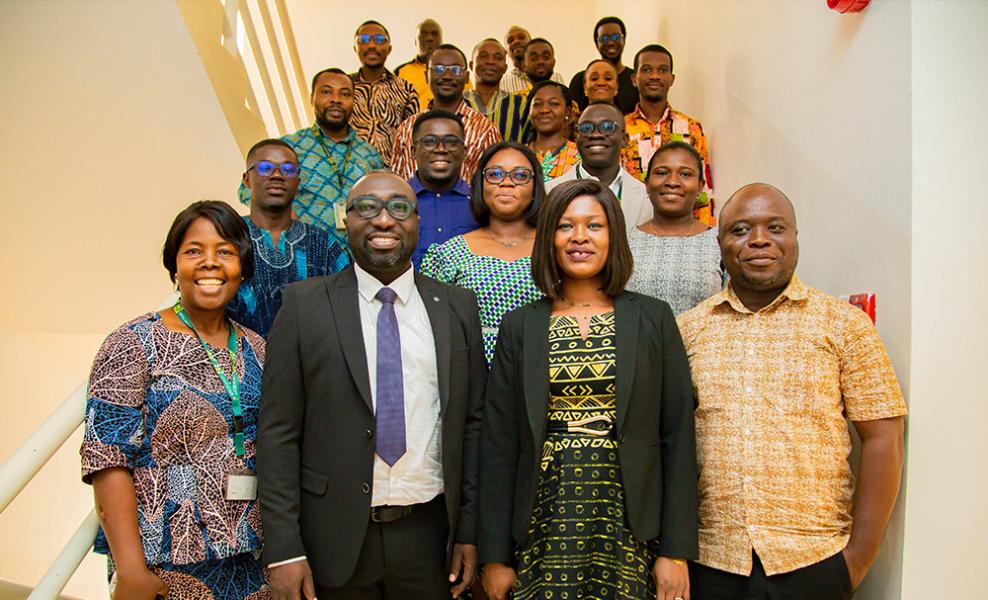
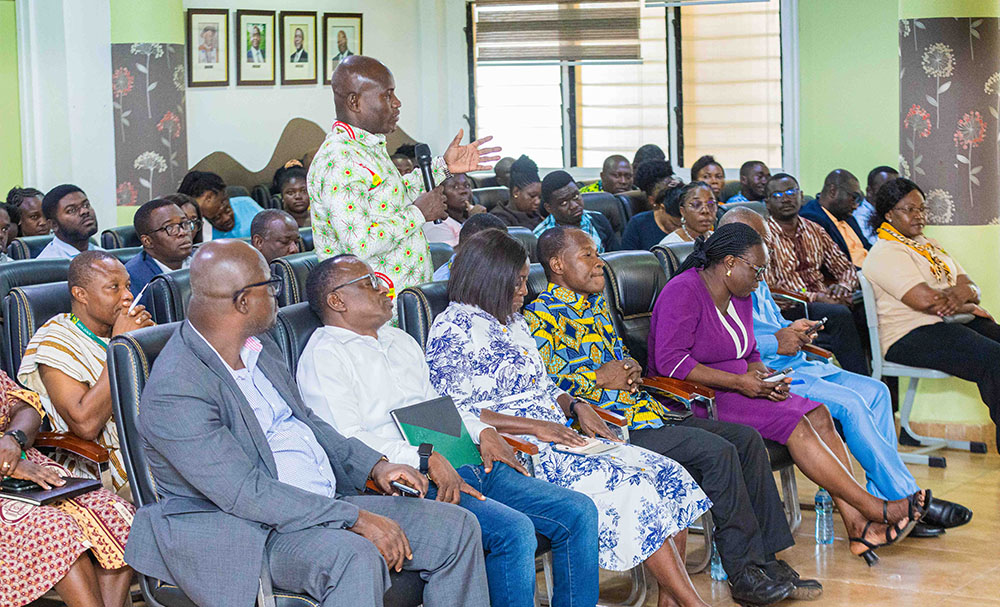
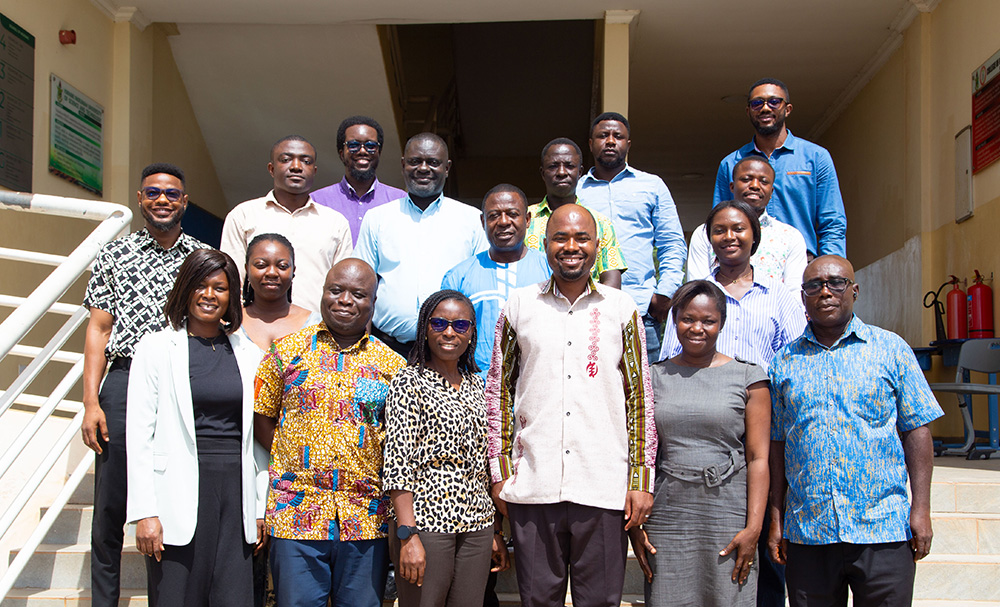
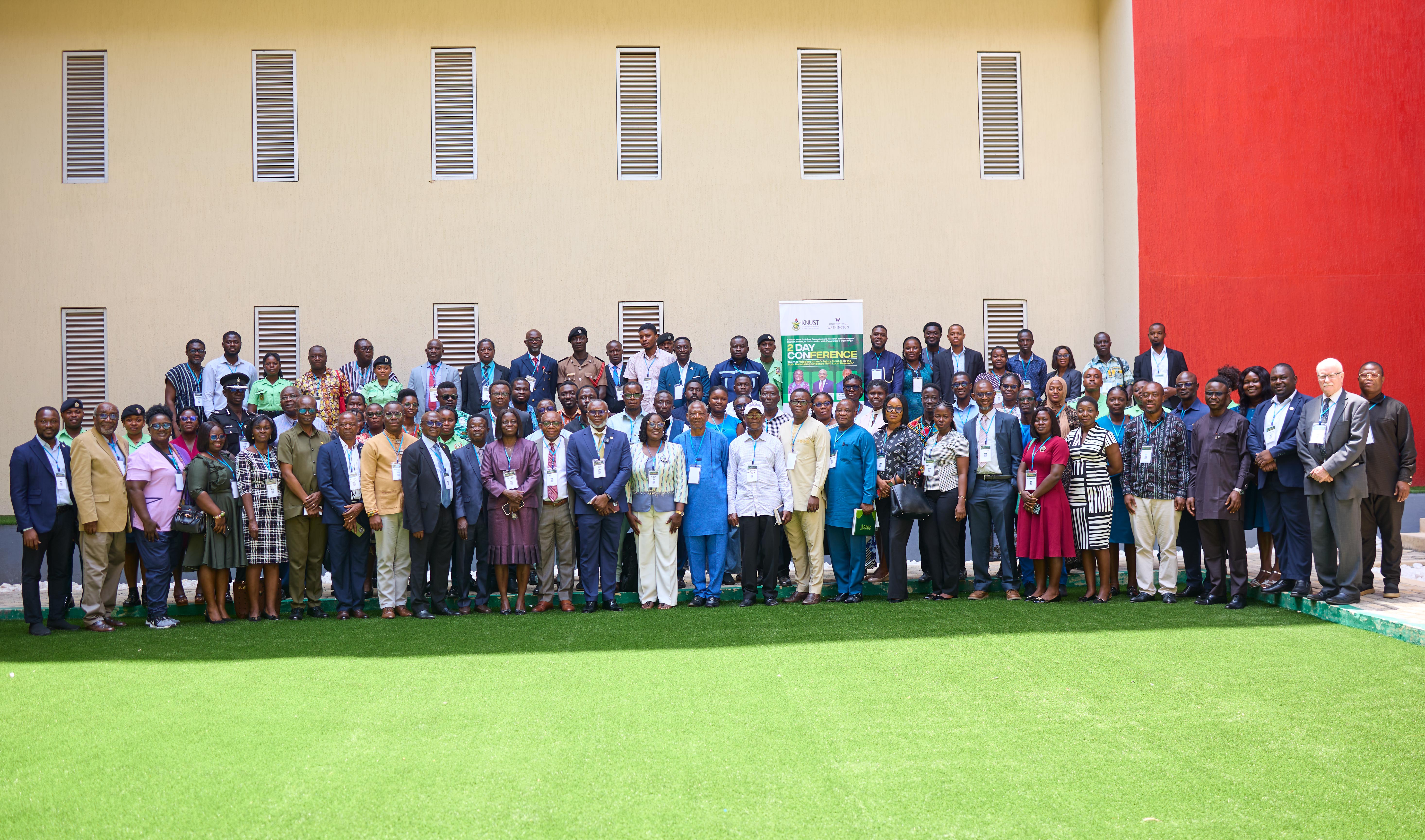
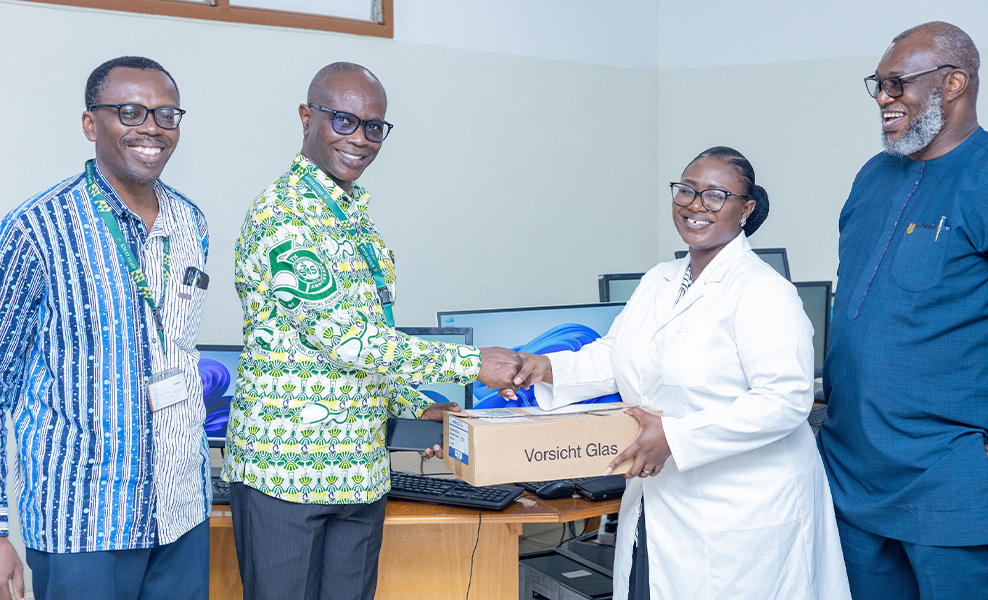
The Faculty of Allied Health Sciences (FAHS) of the Kwame Nkrumah University of Science and Technology (KNUST), Kumasi, on Thursday, 16th and Friday, 17th January 2026, organized a two-day workshop aimed at strengthening the quality of examinations through the development of robust Multiple Choice Question (MCQ) banks for computer-based assessments.
Held under the theme “Building High-Quality MCQ Banks for Rigorous and Equitable Computer-Based Examinations,” the workshop brought together faculty members across departments to enhance their capacity in designing, managing, and administering MCQs aligned with modern digital assessment standards.
In his welcome address, Professor Yaw Amo Wiafe, the Dean of the Faculty, explained that the initiative was driven by the Faculty’s commitment to improving assessment quality, aligning with the University’s digital agenda. According to him, a key focus was to strengthen the construction of multiple-choice questions and transition fully from manual and scannable paper-based examinations to computer-based examinations (CBE).
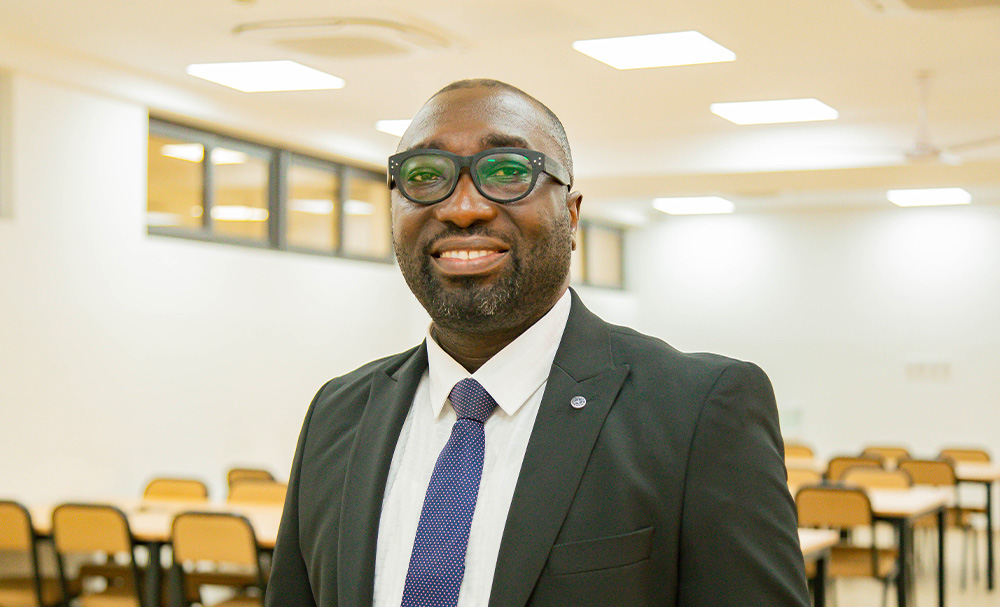
“We believe that this is going to really improve not only the quality of our questions but also the period that it takes for us to process our results and deliver them,” Prof. Wiafe stated. He noted that the move to computer-based examinations would significantly improve marking turnaround time and reduce delays previously associated with reliance on scannable sheets and machine-based marking.
The comprehensive programme featured expert-led sessions on principles of high-quality MCQ construction, Bloom’s taxonomy, designing MCQs for higher-order cognitive skills and clinical reasoning, image-based assessments, and the use of the institutional virtual classroom platform for question bank uploads. Participants also engaged in multiple facilitated working sessions to draft, review, upload, and refine course-specific questions, ensuring alignment with learning outcomes and quality assurance standards.
Day Two of the workshop focused on best practices in coordinating computer-based assessments, tagging and categorization of questions, creation of pilot quizzes, troubleshooting, and expansion of MCQ banks to meet faculty-wide assessment needs. The retreat concluded with the development of a post-workshop action plan to guide the integration of the MCQ banks into routine assessment cycles.
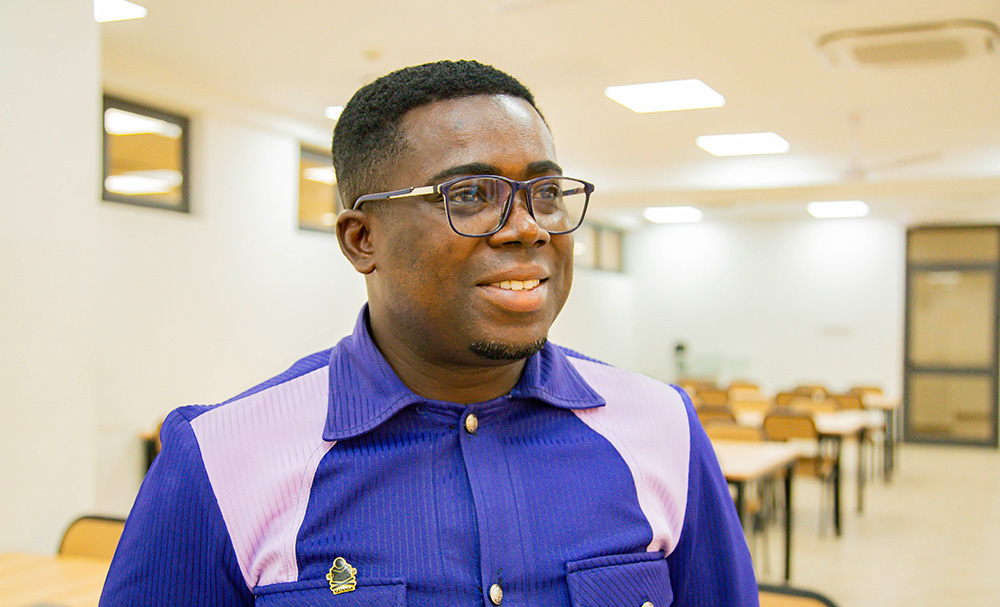
Sharing his experience as a participant, Dr. Benjamin Asamoah, a Senior Lecturer from the Department of Physiotherapy and Sports Science, described the workshop as practical, user-friendly, and impactful.
“This presentation has allowed us to really understand how to transition from the manual setting of questions to the digital platform, which will save us a lot of time,” he said. He added that the training addressed long-standing challenges related to photocopying, marking scannable sheets, and transcription errors.
Dr. Asamoah commended the facilitators for simplifying the process and adopting inclusive teaching methods that catered to participants with varying levels of digital proficiency. He emphasized that the digital MCQ system would also enhance examination security and protect the integrity of questions by reducing incidents of leakage.
“I believe that this workshop would allow most of the difficulties that we have with setting questions to be addressed, while ensuring the security and integrity of our examinations,” he noted.
The workshop is expected to result in substantial, well-structured MCQ banks per course, improved operational familiarity with KNUST’s virtual learning environment, and the rollout of pilot computer-based tests across the Faculty. Ultimately, the initiative marks a significant step toward modernizing assessment practices and enhancing the quality, efficiency, and credibility of examinations within the Faculty of Allied Health Sciences.